It took Michelangelo four years to paint the monumental frescoes on the ceiling of the Sistine Chapel and another five to complete The Last Judgment on the altar wall.
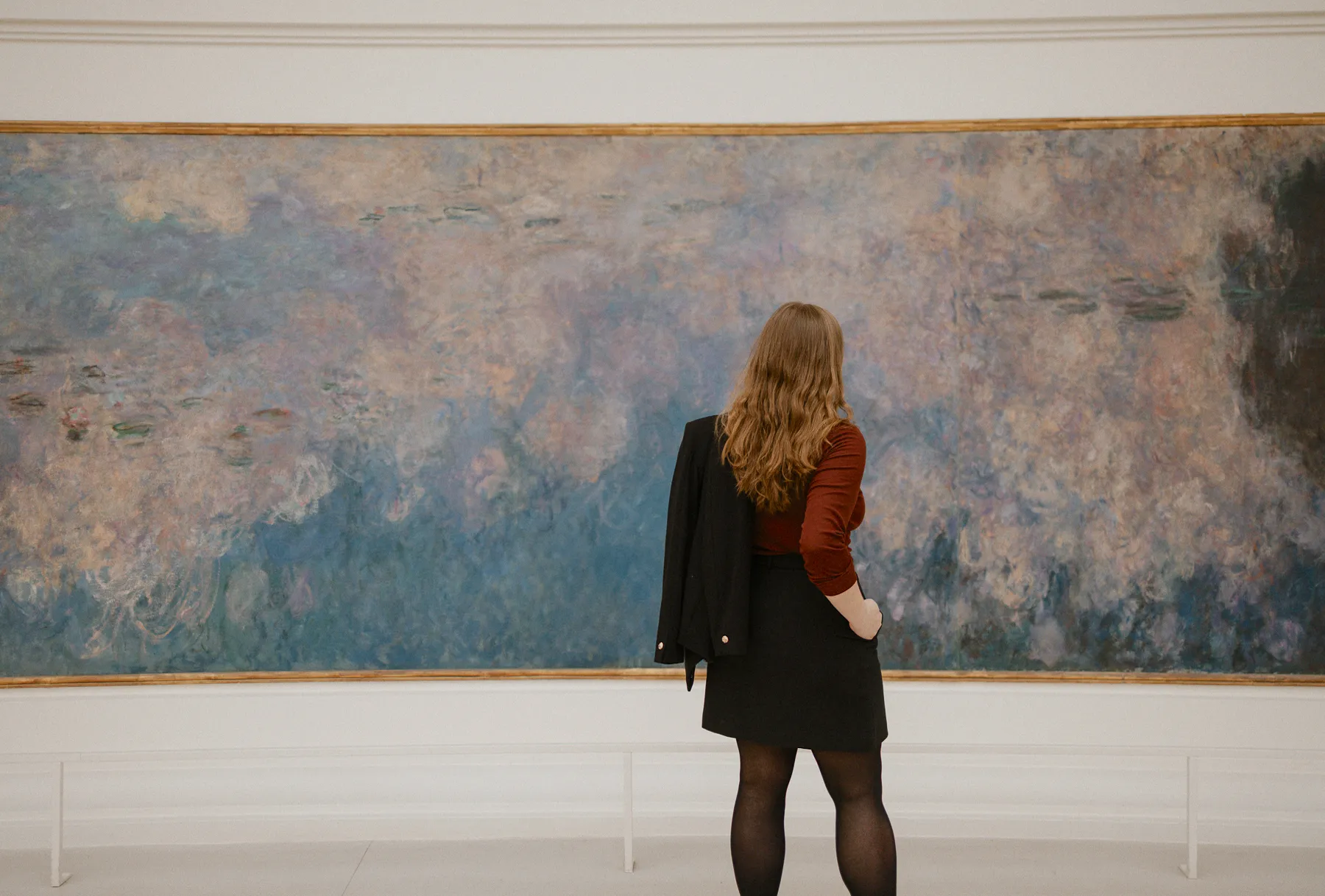
Claude Monet painted the first Water Lilies around 1897 and then explored this theme for the next 30 years, producing nearly 250 paintings.
One of the most prominent conceptual artists, Roman Opałka, spent forty-six years creating his series 1965/1–∞, an artistic meditation on the inexorable passage of time.
These are just three among countless works of art whose creation required extreme focus, dedication, and patience.
In this article, I’ll share what we can learn from the greatest artists, especially the Old Masters, whose genius continues to inspire our collective imagination.
Artists can teach us a lot about how to see the reality we live in and our place in the universe. But if there’s one especially practical trait many of us wish we could steal from them, it’s their extraordinary capacity for concentration.
The (Almost) Forgotten Art of Focus
It’s tough! It really is.
You know this feeling all too well by now. You have an important task to complete and you need to focus. You psych yourself up, sit down at your desk, and are determined to get to work as soon as possible. But then you take a quick glance at your phone. An Instagram notification, a message from a friend, a funny video… and your concentration evaporates in seconds. You’re defeated by distractions.
You ask yourself, “What happened to my brain? Why can’t I stay focused and get my work done?” But you already know the answer.
We live in an incredibly fast-paced world in all areas of life. Every day, we’re bombarded with news and social media posts. We interact face-to-face less often, but we’re far more frequently contacted by email, text, and virtual calls.
You’ve probably heard media experts say that we consume and process more information in a single day than an 18th-century peasant did in an entire lifetime. No wonder we struggle to concentrate and chase after the state of flow as if it were the Holy Grail.
When modern life makes focus so elusive, what lessons can we draw from those who have mastered this skill?
What Artists Can Teach Us About Concentration
The Artist’s Mindset
Artists don’t rush, which, indirectly, makes them some of the best teachers of mindfulness. They can spend weeks, even years, on a single work of art. They might tackle the same theme over and over, but always with dedication, passion, and a fresh eye.
And it’s not just a matter of discipline or habit. This ability comes from a profound curiosity and the conviction that there is always something new to discover.
Most artists begin by studying drawing. They create hundreds of sketches of objects and landscapes that may seem simple and insignificant at first glance, especially compared to the laborious masterpieces that will later make them famous. But this very practice is their own training in mindful looking. With each sketch, their attention grows more precise, allowing them to notice subtleties and discover new layers of meaning in what they see.
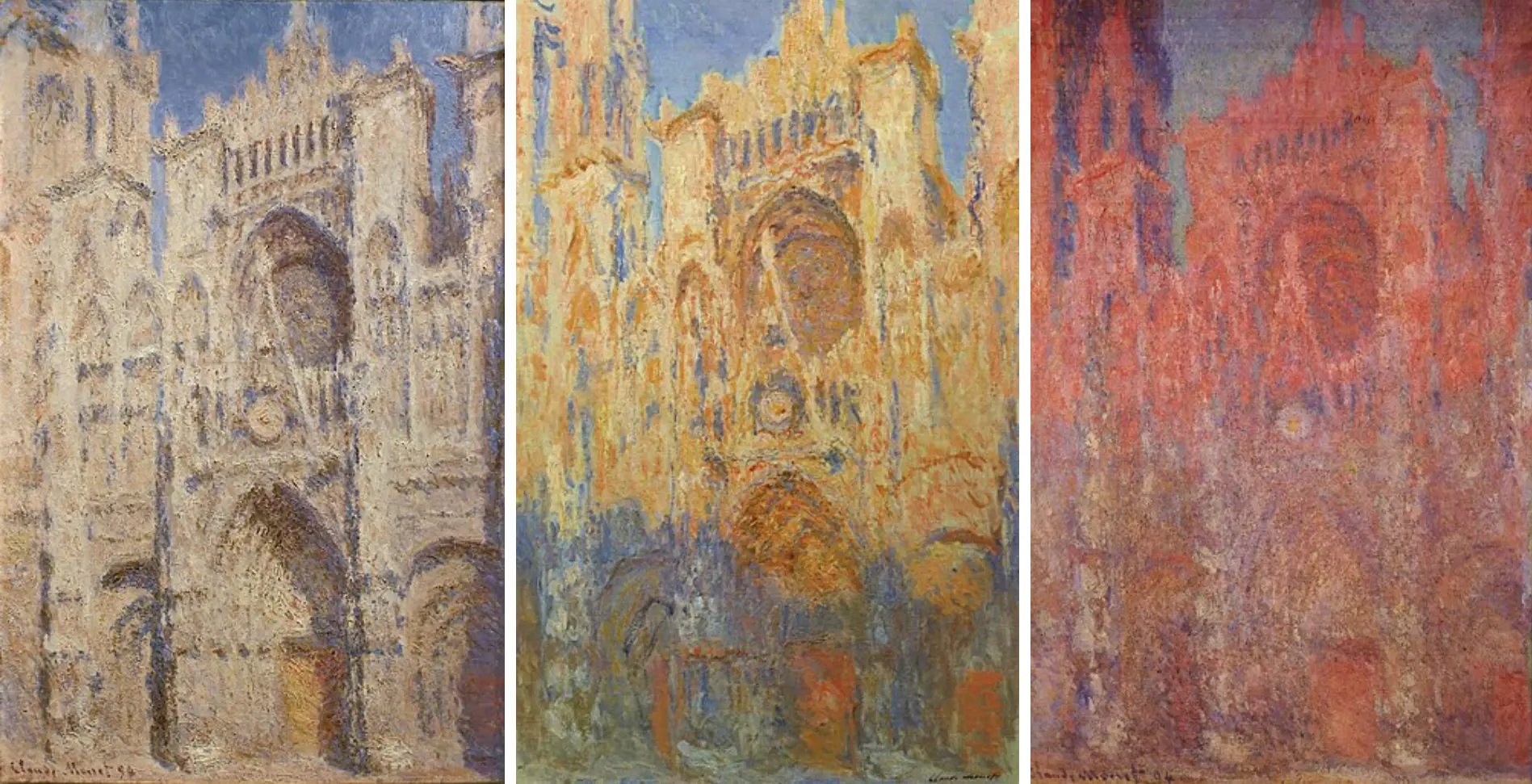
Monet, for instance, painted series upon series, each devoted to a single subject — like the façade of Rouen Cathedral or his iconic Water Lilies — motivated by his fascination with the shifting qualities of light and color. For this famous Impressionist, every painting offered a chance to capture the delicate changes brought by different times of day and season, and to continually refine his artistic methods. What may appear to us as a simple water garden was, for Monet, an endless well of inspiration, illustrating how mindful observation can elevate the ordinary into the extraordinary.
The Power of Immersion
The famous “flow state,” as defined by Mihály Csíkszentmihályi, is the feeling of being so focused and fully engaged in an activity that time seems to disappear, even to the point where you may forget your physiological needs. In fact, Csíkszentmihályi became interested in this phenomenon because of his fascination with artists who were able to remain totally immersed in their work for hours on end.
So, rather than watching yet another “life-changing” video about how to enter a flow state to accomplish our creative tasks, perhaps we’d do better to study how the Old Masters approached their work.
Among these masters, Michelangelo stands out as a prime example of extraordinary dedication and focus. He spent years decorating the Sistine Chapel, persevering through immense difficulties and suffering, which he also describes in some of his sonnets.
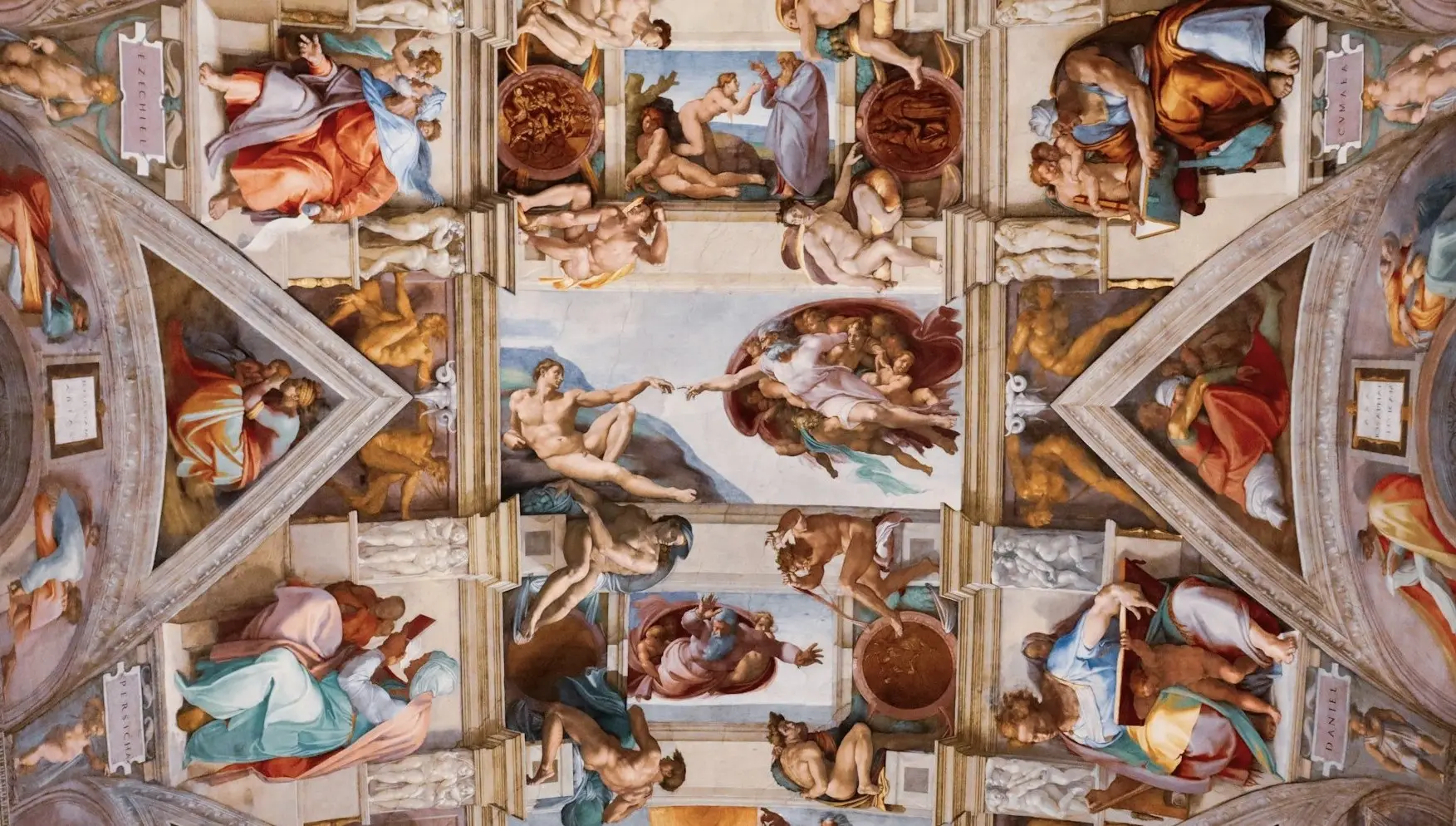
The artist endured all the physical discomfort and frustration because he approached his work with a deep sense of reverence. He believed his art could inspire and uplift viewers, connecting them to the divine. This higher purpose, along with his conception of art as a way to express profound truths and capture the essence of human experience, led him to work tirelessly until he “lost himself” in the creative process. The result? An astonishing collection of vibrant frescoes depicting the glory of God and authentic human emotions.
This shows that the state of focus and creativity isn’t always easy to achieve, but friction is normal, and persevering through obstacles is definitely worth the effort.
Embracing the Process
There is still one piece missing from this puzzle.
To focus on the work and make progress, we need to concentrate on the process, not the end product that may be distant or even completely unknown.
Roman Opałka’s monumental project 1965 / 1 – ∞, which I mentioned at the beginning, perfectly illustrates this mindset. His idea was to paint numbers from 1 to infinity to capture and visualize the passage of time.
Starting a series intended to continue to infinity — which in this case meant until the artist’s death in 2011 — is, by definition, an undertaking focused on the present moment. And that is exactly what Opałka did during all that time: he painted “numbered” canvases (which he called Details), each accompanied by an audio recording of every number he had painted and a photo of himself, reflecting his aging and the slow process of disappearing.
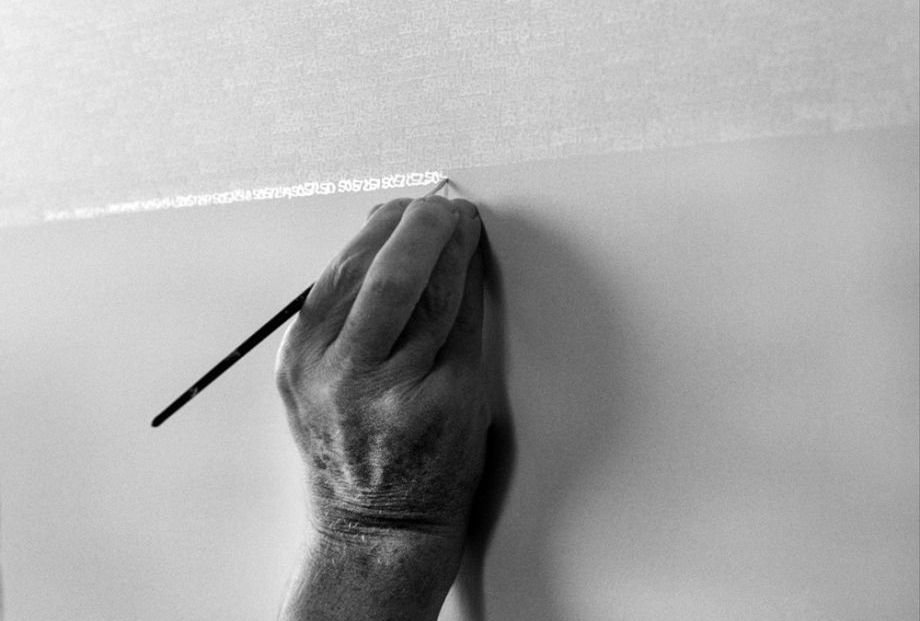
He once said, “All my work is a single thing, the description from number one to infinity. A single thing, a single life.” This statement reveals his deeply contemplative attitude, his keen awareness of the volatility of time and the inevitability of death, and how this translated into a focus on the present moment: a single piece of work, a single day’s work that was part of a larger œuvre — the work of his life.
It’s probably one of the most radical yet also extremely inspiring approaches to art and life.
(If you’re curious to see more, this brief YouTube video explores Opałka’s unique artistic journey: The Man Who Painted Every Minute Of His Life For 46 Years.)
Mindful Art Engagement: Reclaiming Your Focus
By now, you probably feel inspired, and even more impressed, by the dedication artists can show in their work. But how can you apply these lessons to your own life, especially in moments when your attention slips away? Here are some simple, practical ways to boost your concentration, starting right now.
I recommend engaging with art mindfully for at least a few minutes, in the simplest way possible. You can, of course, listen to music, read a few pages of a book, or… try more original (yet proven) methods, such as slow looking and meditation with art.
Let me explain why, and how, it works!
The Art of Slow Looking
A study conducted at the Metropolitan Museum of Art in New York found that the average visitor spends about 27.2 seconds looking at a work of art (the median is 17 seconds). That’s a very short time, not enough for visitors to notice details or fully appreciate the form. That’s why more and more museums are organizing Slow Art Days and inviting visitors to slow down and linger.
Slow looking — wherever you do it — is a practice that helps cultivate awareness and concentration, and art is an excellent way to anchor your attention. That’s why it works wonders for regaining focus, especially if simple breathing or visualization exercises aren’t working for you.
The next time you struggle, try this tiny experiment with a work of art. You can choose one you particularly like, a painting hanging on your wall, or an artwork you just found online. All you need is a piece of visual art or a reproduction, and a few minutes.
The goal is to concentrate fully on this piece, carefully observe the details, and note the feelings it evokes in you. You can even set a timer for 2 to 5 minutes and direct your attention to a specific element, object, or color. You’ll see how refreshing it is to slowly immerse yourself in art — this simple exercise can make a real difference.
Art Meditation: A Pathway to Presence
Experimenting with mindful observation of artwork is a great start, but if you want to become a master of focus—the black belt of entering a state of flow — I invite you to adopt an “art routine” that brings art into your daily life, even in small doses. Art meditation is the perfect fit if you have only 10 to 15 minutes to dedicate and don’t feel like creating something by hand.
It’s a simple and relaxing practice that combines the principles of mindfulness and art contemplation. The fact that it takes a little longer than a short slow-looking exercise helps you calm your mind, connect more deeply with the artwork — and with yourself — which leads to stress reduction and better concentration.
I know it sounds almost too easy, but there’s growing research showing that both meditation and mindful art viewing are effective ways to calm your mind. If you’re after the science, I’ve laid it all out in my deep dive here.
When you take the time to mindfully experience a work of art in all its aspects, it becomes easier to manage your emotions and regulate your nervous system. You let go of distractions and practice your ability to concentrate, in the most enjoyable way possible, while appreciating art. (And as a bonus, you may feel a surge of creativity right after meditation!)
Strengthening Your Focus Muscle
Treat your focus like a muscle you can train through practice.
There are many ways to do this, but if your mind is constantly seeking novelty, especially if you have ADHD or similar challenges, you may appreciate the art-based methods I mentioned above.
Start small. Set a goal to engage in mindful art activities for a week, a few minutes every day. Try out different approaches, or stick to one and see what results you notice at the end of this tiny experiment. I’m sure you’ll find something you fall in love with.
If you don’t know where to start, I invite you to try my Essential Art Wanderer’s Kit. It includes a 10-minute meditation with Caspar David Friedrich’s mesmerizing painting Wanderer above the Sea of Fog.
There is nothing better than this artwork for encouraging introspection and broadening your creative horizons. You’ll be able to explore it in detail with the help of a gentle voice guide and a few simple exercises designed to strengthen your concentration.
Download your free Essential Art Wanderer’s Kit below and give it a try.
We are only beginning to discuss the importance of creative health in the context of global health and well-being. However, it’s essential to build this kind of creative routine if you want to reclaim your focus in a distracted world and live a more fulfilling life.
Engaging with art not only allows us to admire the fruits of artists’ labor but also helps us become more mindful. So, when you look at a work of art, you’re training your own focus muscle. I can assure you: with a little practice, it’ll become big and strong.
FAQs
Pick one artwork (on your wall or on your screen if you want to practice at home). Set a 1–3 minute timer. Gently observe the artwork. Focus on shapes, colors, textures, and your feelings—no judgment. When your mind wanders off, return to one detail. A short, consistent practice compounds into noticeably better concentration.
Art meditation combines mindfulness techniques with guided viewing of an artwork. By anchoring your senses on visual details, you reduce mental noise, regulate your nervous system, and practice sustained attention—building the “focus muscle” you can later apply to work and everyday tasks. It’s a perfect way to enhance your cognitive health while enjoying and exploring art history.
Yes. If traditional sitting meditation feels dull, art offers a sensory anchor that keeps curiosity alive. The visual variety lowers resistance, making it easier to stay present while still delivering the same benefits: calm, focus, and emotional regulation. You may want to give this free Essential Art Wanderer’s Kit a try, as it’s perfect to gently introduce you to art meditation.
Start with 10 minutes, 3–5 times per week. Most people notice a calmer mind immediately and an easier focus within two weeks. Consistency matters more than duration—small, regular sessions outperform occasional long ones.
Art offers an infinite variety of styles and forms, but if you are a beginner looking to calm your racing mind and focus, start with visually clear artworks—landscapes, single figure paintings, or abstractions. Caspar David Friedrich’s Wanderer above the Sea of Fog is ideal for guided practice and introspection, and it’s included in the free Essential Art Wanderer’s Kit.
An art routine helps you slow down, cultivate mindful attention, and reconnect with your creativity—even if you’re not an artist. Regularly engaging with art, whether through observation or simple creative exercises, can improve your focus, reduce stress, and bring more meaning and inspiration to your everyday life. In our fast-paced, distracted world, an art routine offers a simple yet powerful way to nurture your well-being and enrich your experience.
Sources & Further Reading
Csíkszentmihályi, M. (2008). Flow: The Psychology of Optimal Experience. Harper Perennial Modern Classics.
Trupp, M. D., Howlin, C., Fekete, A., Kutsche, J., Fingerhut, J., & Pelowski, M. (2025). The impact of viewing art on well-being—a systematic review of the evidence base and suggested mechanisms. The Journal of Positive Psychology, 20(6), 978–1002. doi.org/10.1080/17439760.2025.2481041.
Smith, J. K., & Smith, L. F. (2001). Spending Time on Art. Empirical Studies of the Arts, 19(2), 229-236. doi.org/10.2190/5MQM-59JH-X21R-JN5J (Original work published 2001).
Estrada Gonzalez, V., Youn, N. (Junga), Cardillo, E. R., & Chatterjee, A. (2025). Slow-looking enhances aesthetic experience, The Journal of Positive Psychology, 1–11. doi.org/10.1080/17439760.2025.2552793.
Weir. K. (2025). What happens in the brain when we experience art. Monitor on Psychology. Vol. 56, No. 6. p. 54-56. Online version: https://www.apa.org/monitor/2025/09/art-mind-brain?mc_cid=fa2d711f47&mc_eid=827f67eb4d.